The Console Lighting Mistake That Makes Your Living Room Look Flat
Discover how to light your living room console like a professional designer with simple layering tricks and statement metal lamps.
Quick answer
Effectively layering lighting on a living room table or console requires combining ambient, task, and accent layers. You start with a statement table lamp for height and warm illumination, add low-profile accent items like candles or small spotlights, and balance the output to create depth, warmth, and visual interest across your surface.
Part of our guide: The Lamp Height Mistake Almost Every Home Makes (and the Easy Fix)
In this guide 7 sections
The Living Room Table Trap You Need to Avoid Right Now
Picture your living room TV lounge at night, lit by a single harsh overhead bulb that flattens every corner. You want warmth, depth, and a touch of elegance, but your console table looks dull and shadowy in the evenings. The secret to fixing this isn't buying more decor; it is mastering how to light table surfaces using a thoughtful mix of illumination layers.
Surface lighting in living rooms does much more than just help you see in the dark. It carves out cozy zones, highlights your favourite artwork, and creates a welcoming atmosphere the moment you walk through the door. When you balance ambient glow with focused task lighting on a console, the entire room feels instantly larger, richer, and more thoughtfully put together.
Why One Lamp Is Never Enough on a Console
Relying on a single light source leaves your living room looking stark and uninviting. To achieve a layered look, you need to combine different heights and intensities of light on your console table. Think of your console as a mini stage where the background wall, the lamp, and your decorative items work together in harmony.
Here is how you can build the layers from the surface up:
- The Base Layer: Establish a soft background glow using wall art or hidden LED strips if you have them, which softens the shadow behind your console.
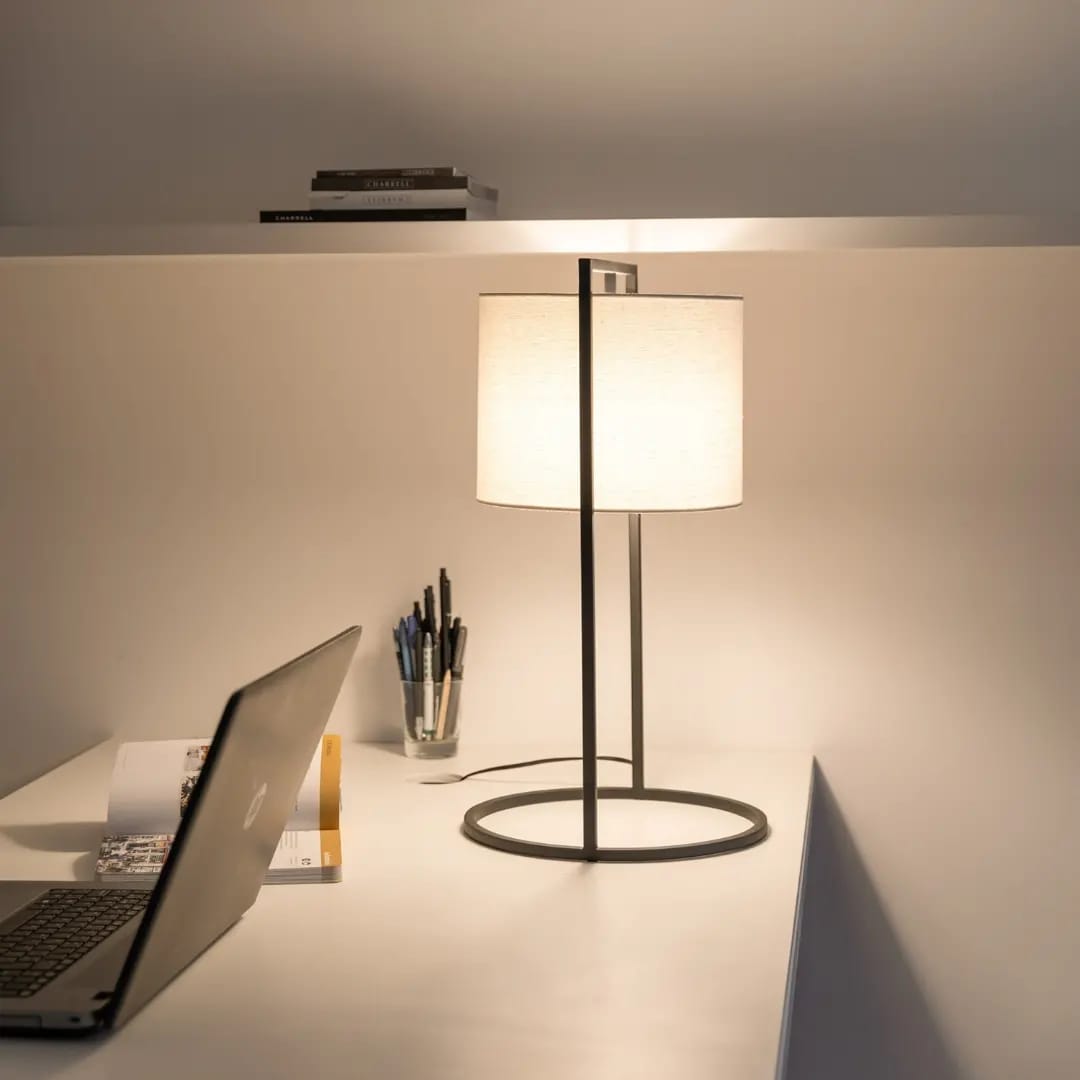
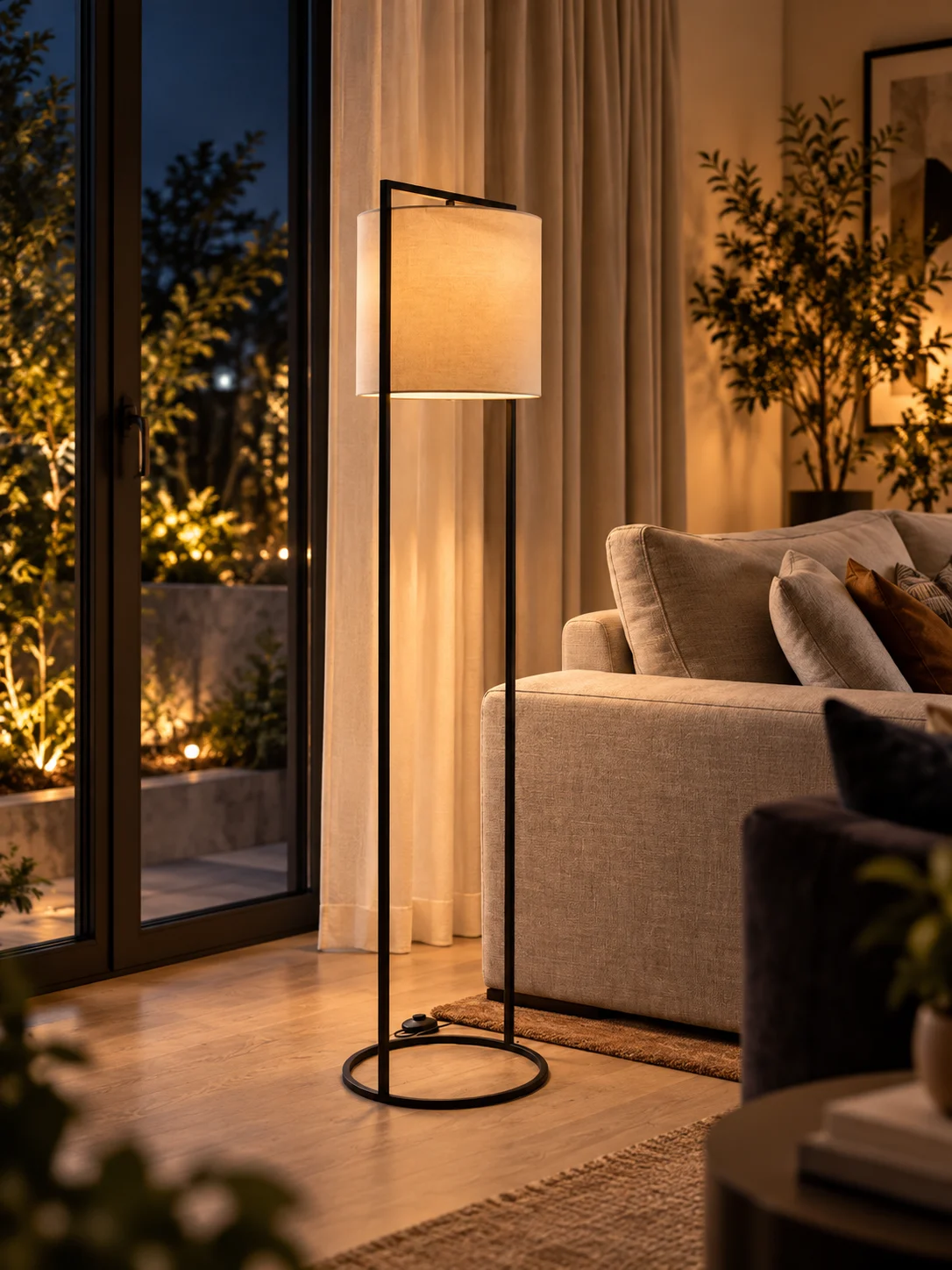
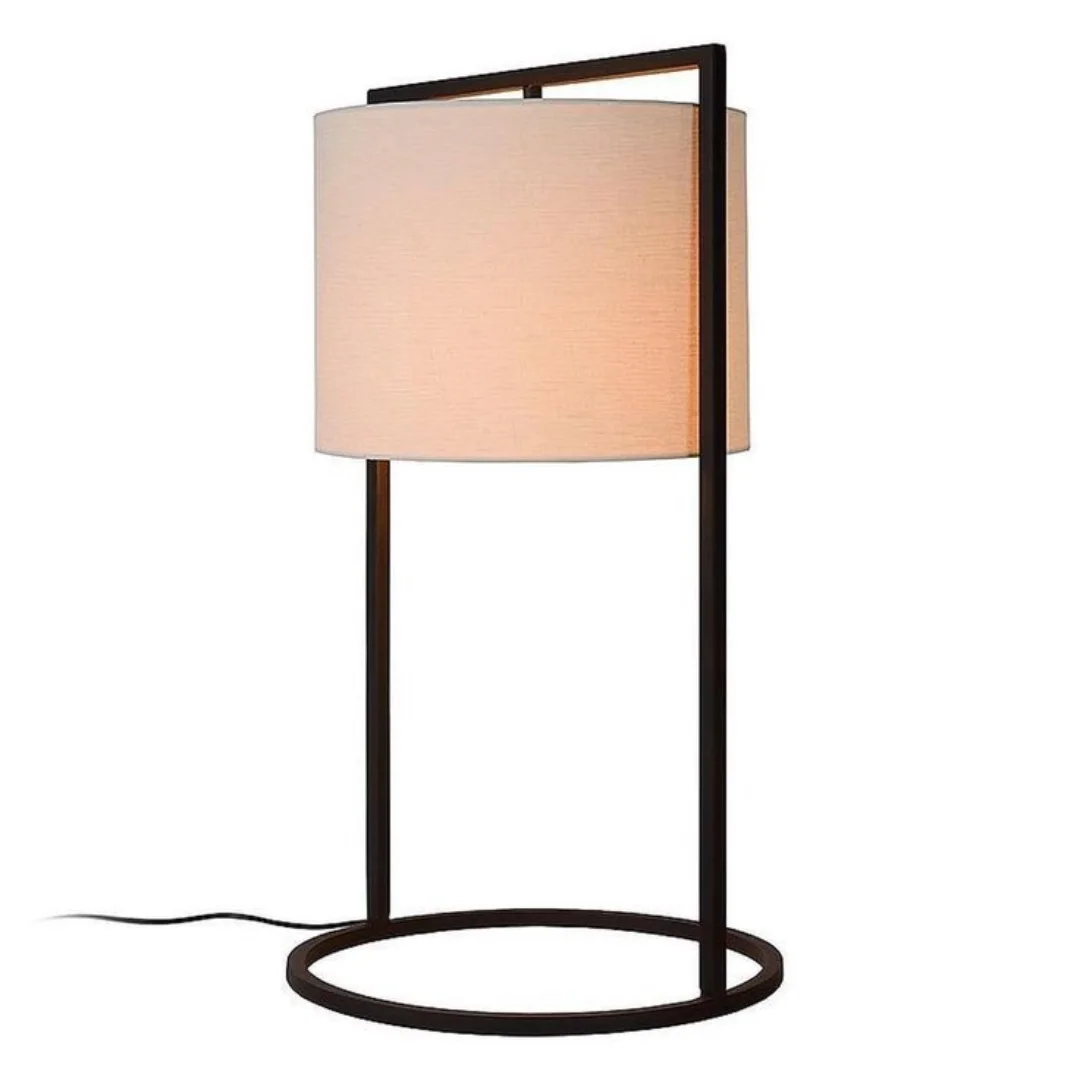
- The Mid Layer: Place a handmade metal table lamp to anchor one side of the surface, providing both functional illumination and a sculptural silhouette.
- The Accent Layer: Introduce smaller elements like decorative trays, books, or low candleholders to catch the light and create contrasting pools of brightness and shadow.
The 30-Second Test for the Right Lamp Height
Scale is everything when placing a lamp on a living room console. If the lamp is too tall, the bulb will glare directly into your eyes when you sit on the sofa. If it is too short, the light gets swallowed up by heavy wall art or tall picture frames.
Use this quick rule: the bottom of the lamp shade should sit roughly at your eye level when seated, or ensure the combined height of the console and the lamp does not block your wall art. Consider pairing a handmade metal table lamp from Divaar.pk with decorative items on your console to ground the piece visually. Keep scale in mind to ensure the lamp height fits well with your console and wall art.
Styling Your Console by Room Size and Layout
Different living spaces demand different approaches to console lighting. A sprawling family home in Karachi has entirely different spatial needs compared to a compact apartment in Islamabad.
| Lamp Style | Metal Finish | Best Living Room Application |
|---|---|---|
| Slim Metal Column | Brushed Brass | Compact apartments and narrow hallway consoles |
| Geometric Cutout | Matte Black | Modern minimalist family lounges |
| Traditional Urn | Antique Bronze | Classic formal drawing rooms |
Account for power stability by using energy-efficient bulbs or pairing with UPS/inverter setups common in Pakistani homes. This ensures your carefully styled console remains softly lit even during unexpected power interruptions.
Ensure cords are safely tucked away to prevent tripping hazards, especially around high-traffic living room areas.
Common Console Lighting Mistakes That Kill the Mood
Even gorgeous decor falls flat when basic lighting rules are ignored. Avoid placing your lamp dead-centre on a long console; asymmetry looks much more natural and leaves room for decorative styling. Another frequent error is choosing ultra-bright, cool-toned white bulbs that make a cosy living room feel like a doctor's clinic. Stick to warm white LED bulbs between 2700K and 3000K to keep the space feeling intimate and relaxing.
Your Step-by-Step Console Lighting Checklist
- Choose a statement metal lamp that complements your room's hardware
- Select a warm white bulb compatible with your home UPS or inverter
- Position the lamp off-centre to create visual balance
- Layer in lower decor items like books or trays to catch the light
- Secure and hide all loose electrical cords safely behind the furniture
The Short Version
Layering light on a console table comes down to mixing heights, choosing warm bulbs, and balancing metal textures. Keep your cords tidy, your scale proportionate, and let your lighting do the heavy lifting for your room's mood.
For the bigger picture, read our complete guide: The Lamp Height Mistake Almost Every Home Makes (and the Easy Fix).
Frequently asked questions
What is the best way to light a living room console table?
The best approach is to use an asymmetrical layout featuring a statement table lamp on one side for height and warm illumination, balanced by lower decorative objects and art on the wall above.
What color temperature bulb should I use in a living room table lamp?
You should use warm white bulbs ranging from 2700K to 3000K. This creates a cozy, inviting atmosphere ideal for living spaces and pairs well with metal lamp finishes.
How do I manage living room console lighting during power outages in Pakistan?
Opt for energy-efficient LED bulbs that draw minimal power, ensuring your lamps can run smoothly on standard household UPS or inverter setups without overloading the system.
Should my console lamp match my other living room lights?
They do not need to match identically, but sharing a similar metal finish—such as brass, black iron, or bronze—creates a cohesive and intentional look across the room.
Sources
- Group (periodic table) — Wikipedia